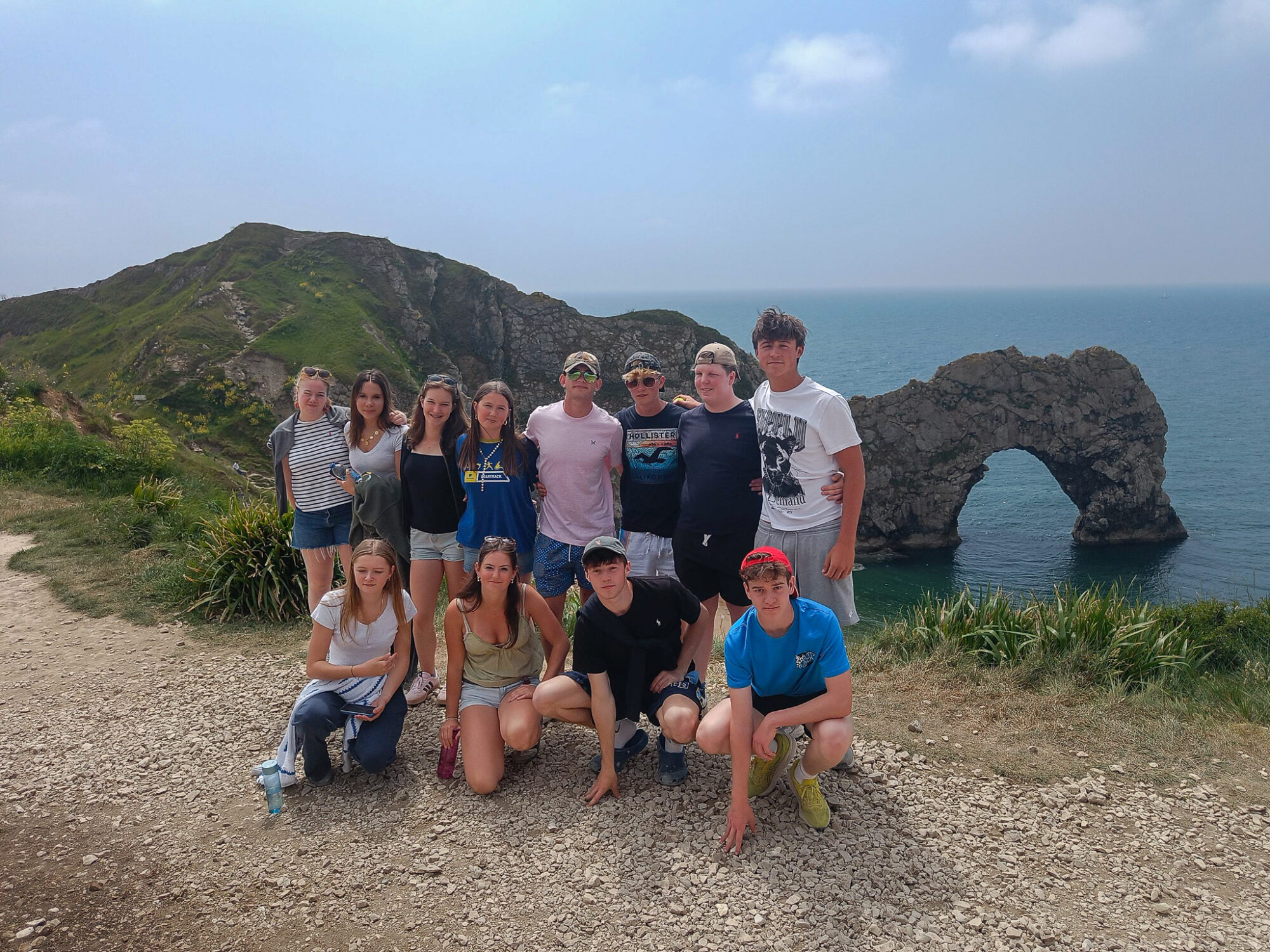
Lower Sixth Geography students embarked on an exciting field trip along the Jurassic Coast to collect data for their Non-Examined Assessments (NEAs).
The trip was a valuable opportunity for students to develop and refine their individual investigations through hands-on data collection at a range of sites, including Swanage Bay, the Studland sand dunes, Corfe Castle, and Bournemouth.
During their time in the field, students were taught how to design effective geographical enquiries, employing a wide variety of data collection techniques. These included conducting questionnaires and interviews, recording sediment height on either side of groynes, completing land use surveys, and performing transects to assess plant biodiversity. The investigations covered a range of topics, from assessing quality of life and crime in deprived urban areas to examining the impact of tourism on popular honeypot sites.
A key part of the experience was the use of Survey123, a mobile data collection app that allowed pupils to geolocate their findings and build robust spatial datasets for analysis back in the classroom.
Despite the demanding schedule, students maintained high levels of enthusiasm and effort throughout. During the trip evenings were filled with fun activities including bingo, quizzes, and even a dinosaur-themed mini golf session, fitting for the Jurassic setting!
The trip concluded with a scenic stop at Lulworth Cove and Durdle Door, where students observed stunning real-world examples of coastal erosion and deposition processes, bringing their classroom learning to life.
Well done to all the students for their hard work and curiosity, and a big thank you to the Geography Department for organising such a successful and enriching experience.



Benjamin Evans, Deputy Head of Academic at Wellington College, Berkshire appointed as the new Head of King’s College
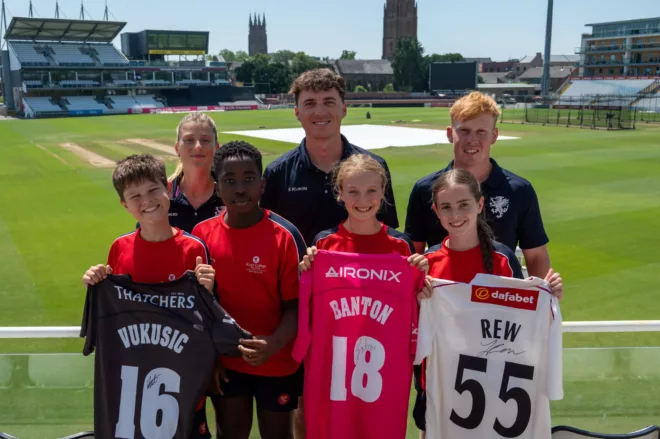
Prep Pupils Enjoy Inspirational Day at Somerset CCC
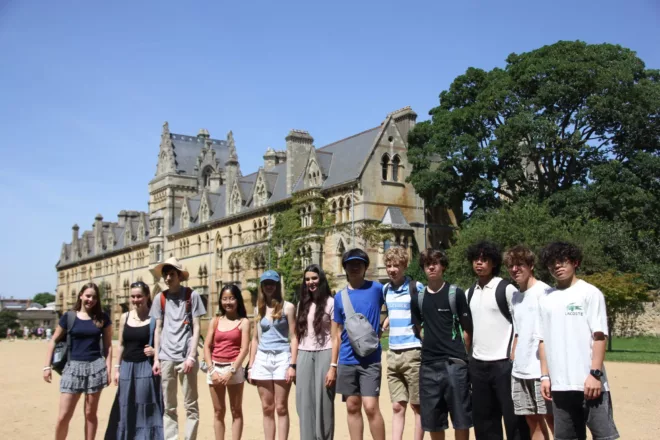
Oxford Inspires Pupils on Enriching University Visit

King’s College duo Rew and Baker earn England Test debuts

Brodie Represents Scotland U18s in Belfast Series Victory
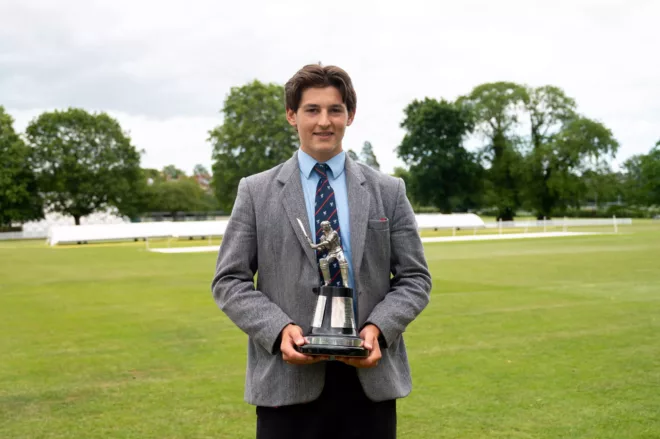
Theo L Makes History with Prestigious National Cricket Award
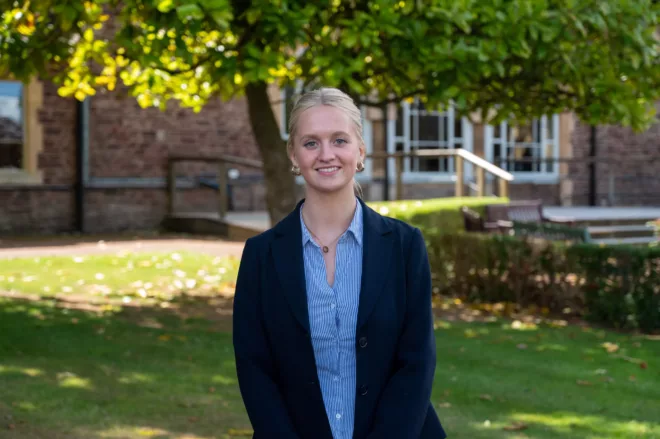
Daisy Triumphs in Prestigious Oxford University Essay Competition
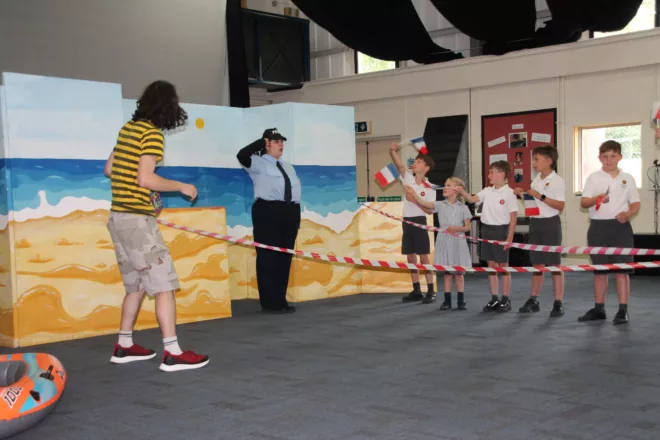
King’s Prep Brings French to Life with Interactive Theatre Experience