Science
OVERVIEW
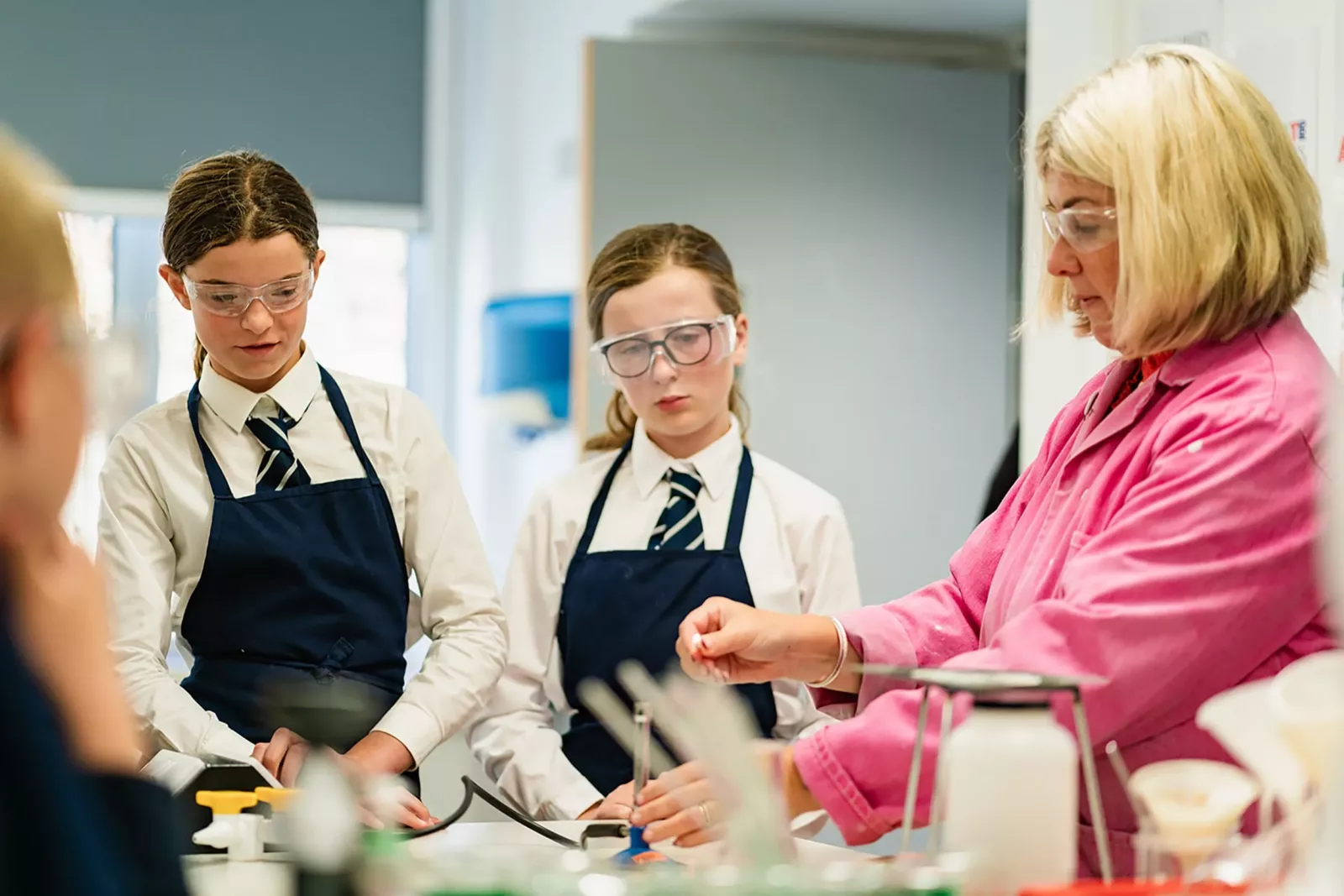
Pupils study Biology, Chemistry, and Physics, all taught within the science department by a team of specialists, ensuring no separation of subjects. We follow the ISEB Common Entrance science curriculum (11+ and 13+), which covers a variety of topics within each specialism.
Our outside space is used extensively: catapulting tomatoes for speed calculations, exploring the woods for ecology projects, bird watching, and bug hunting! We also have resident owls and bats in the woods. The science curriculum encourages pupils to test ideas, predict outcomes, and draw conclusions.
OUR SYLLABUS
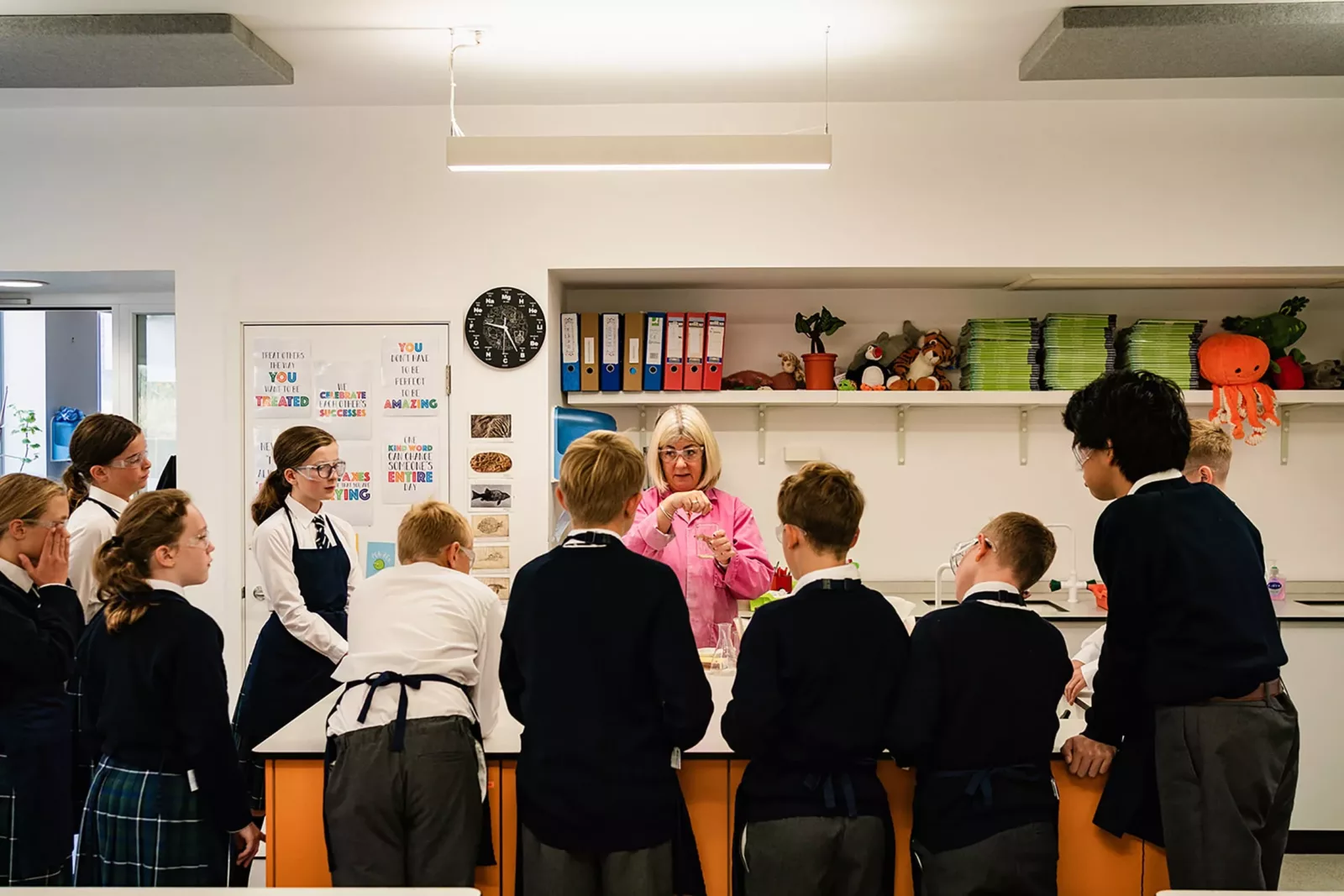
Pupils cover a wide range of scientific topics, preparing them well for life beyond the Prep. We include extensive experimental work, supported by excellent facilities.
Outside space is used for ecology studies—pond dipping, bird watching, estimating tree heights, bug hunts, and population counting.
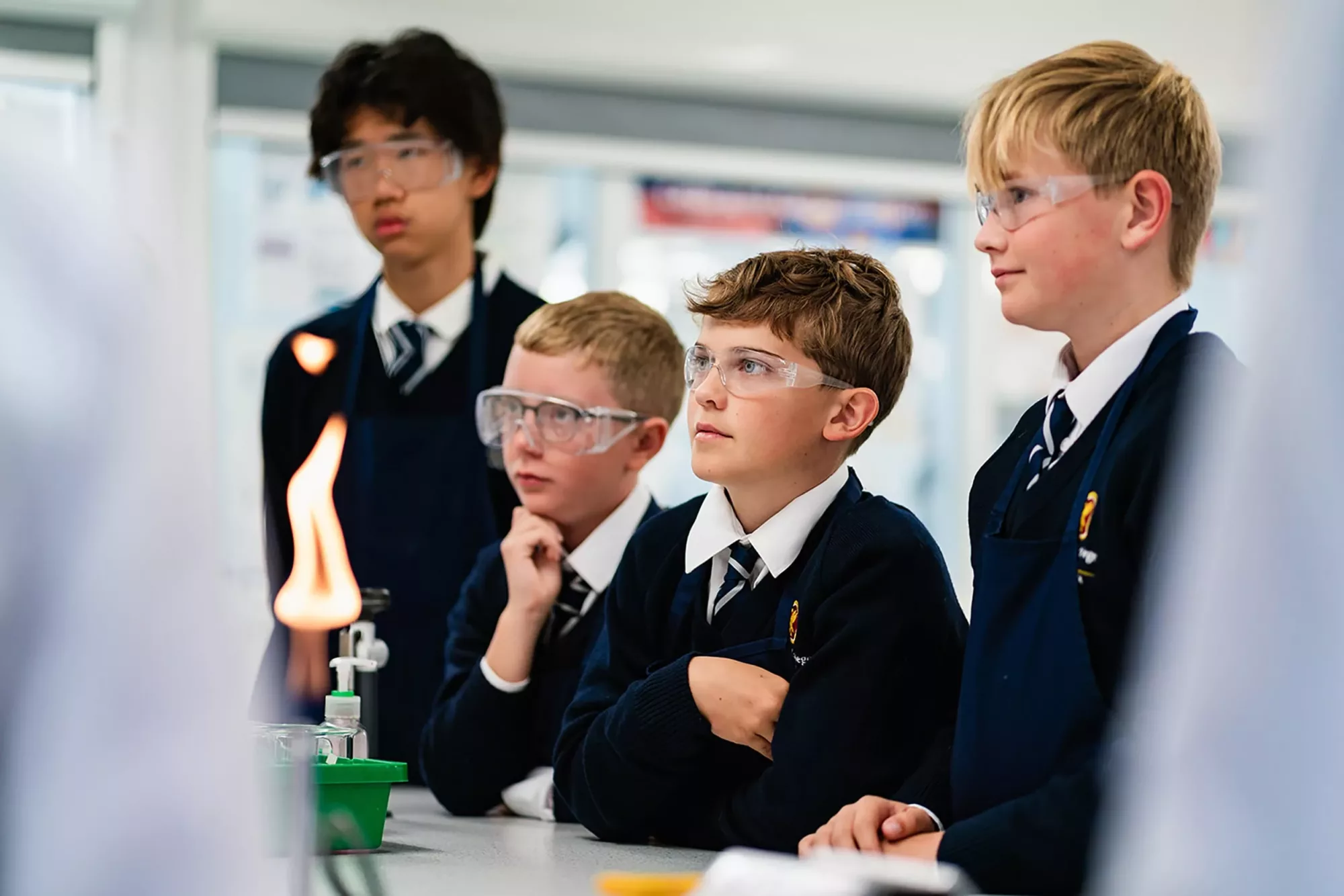
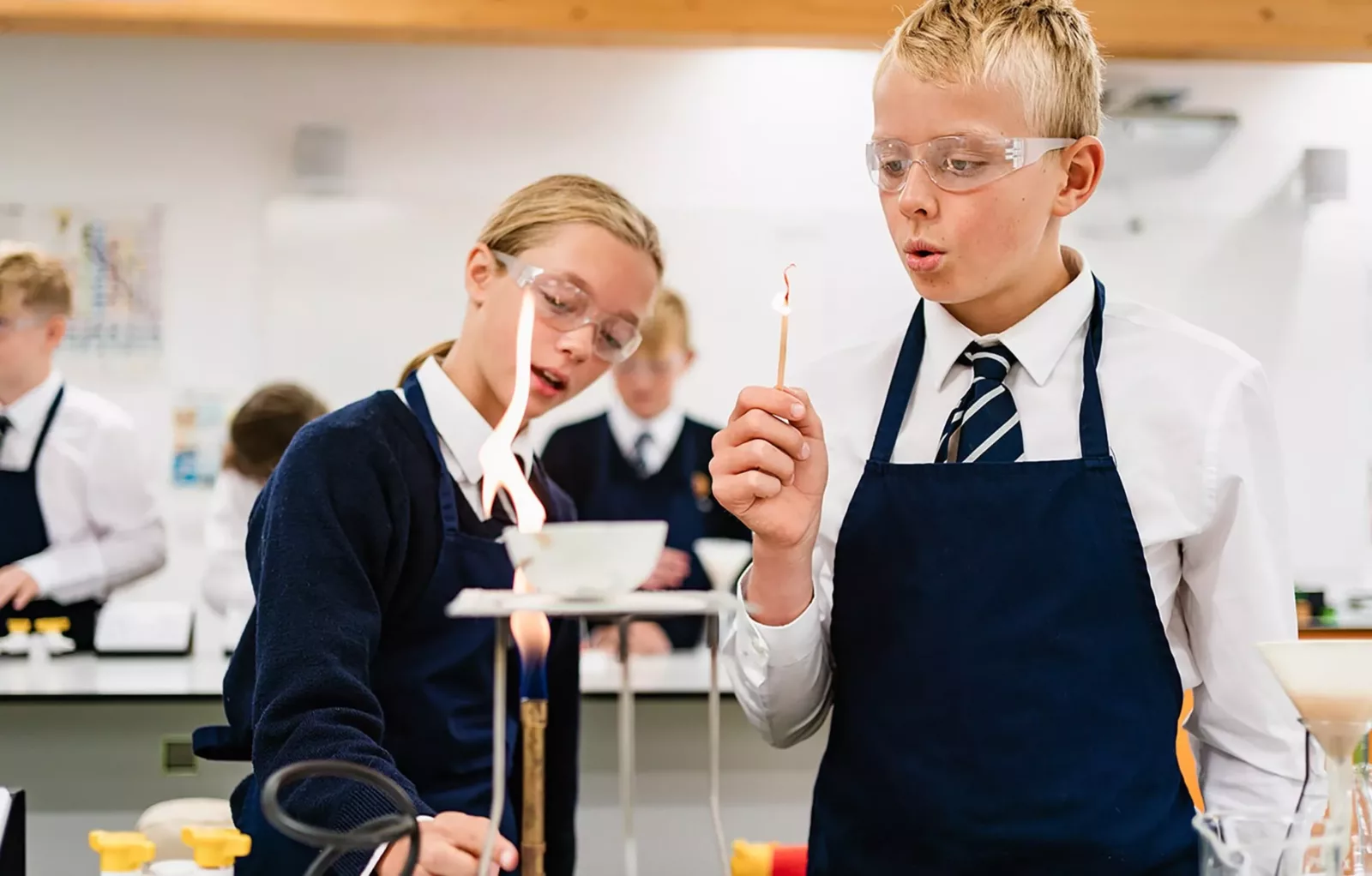
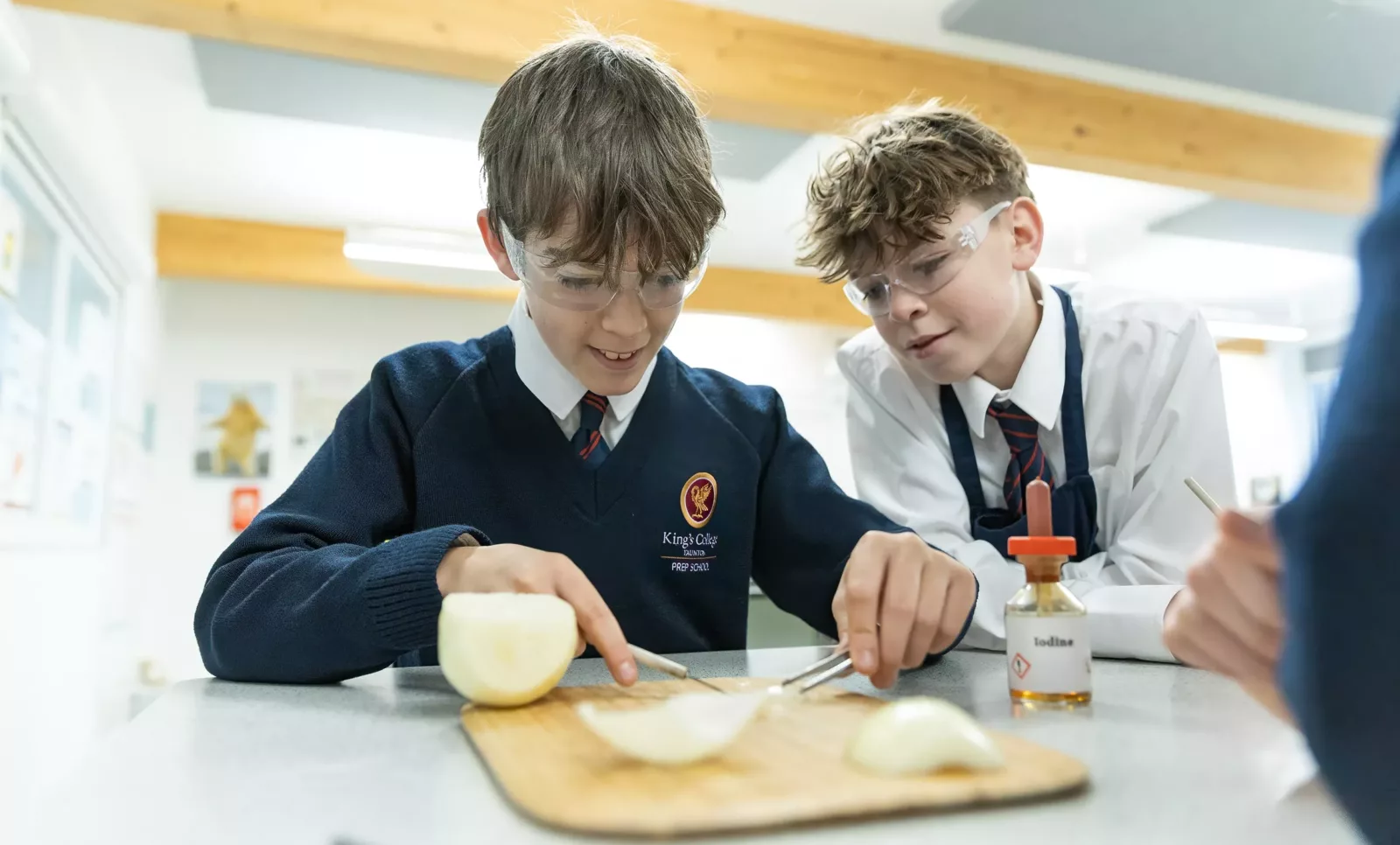
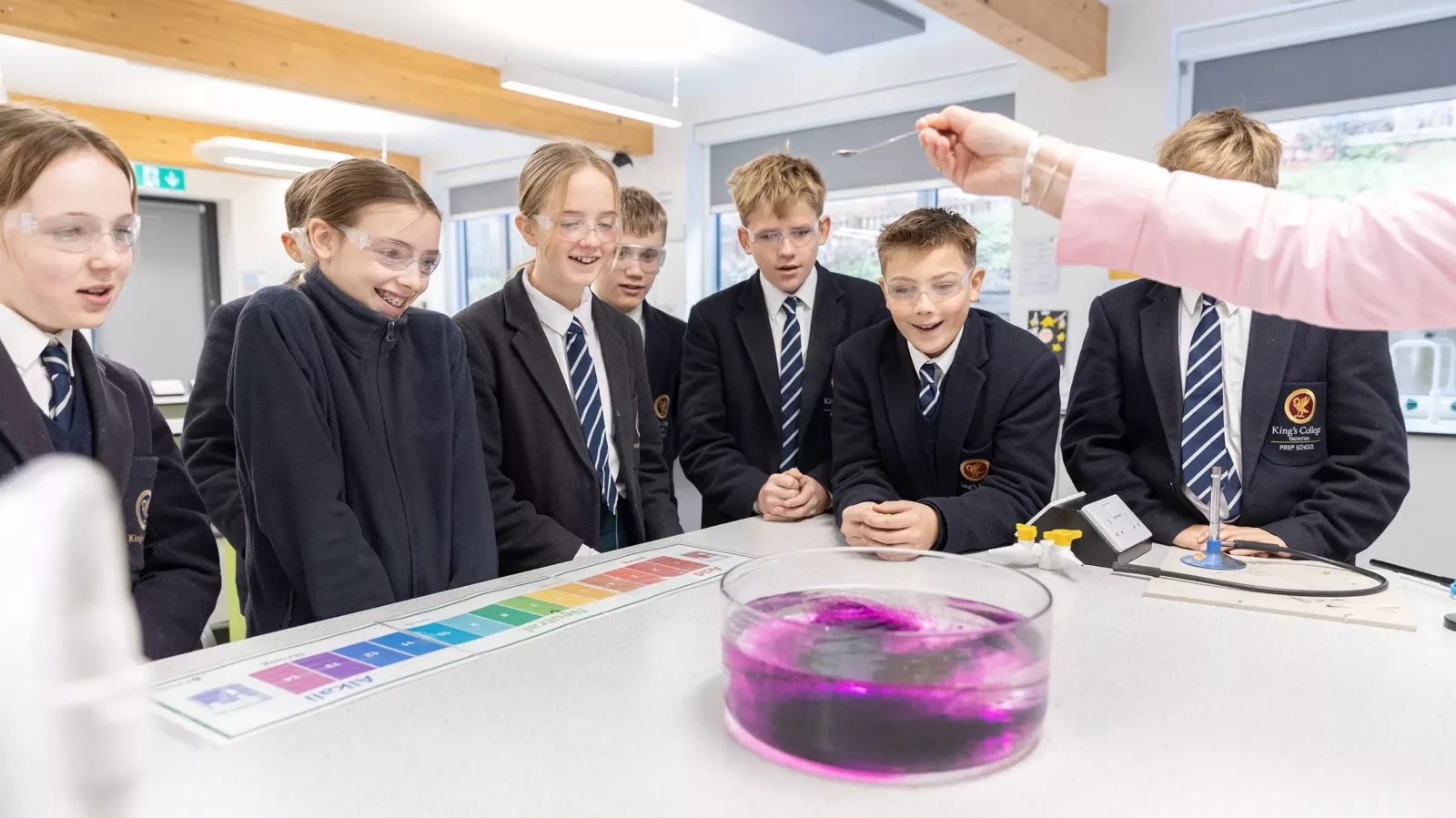
Pupils are introduced to ‘real’ science early on, using specialist equipment such as Bunsen burners from Year 3. Our Pre-Prep often visit to make use of the facilities. We have tortoises, guinea pigs, and fish, as well as a vegetable garden. We believe in learning by doing, so we conduct as many practical experiments as possible. Our foyer space is perfect for group work, with access to ICT facilities for experimental work.
WHY STUDY SCIENCE?
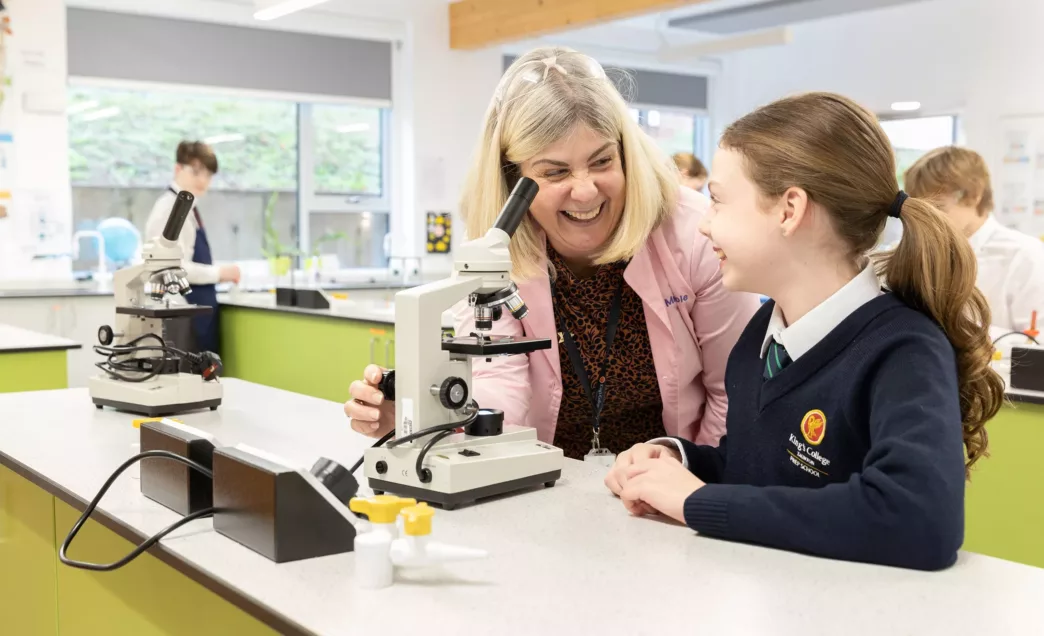
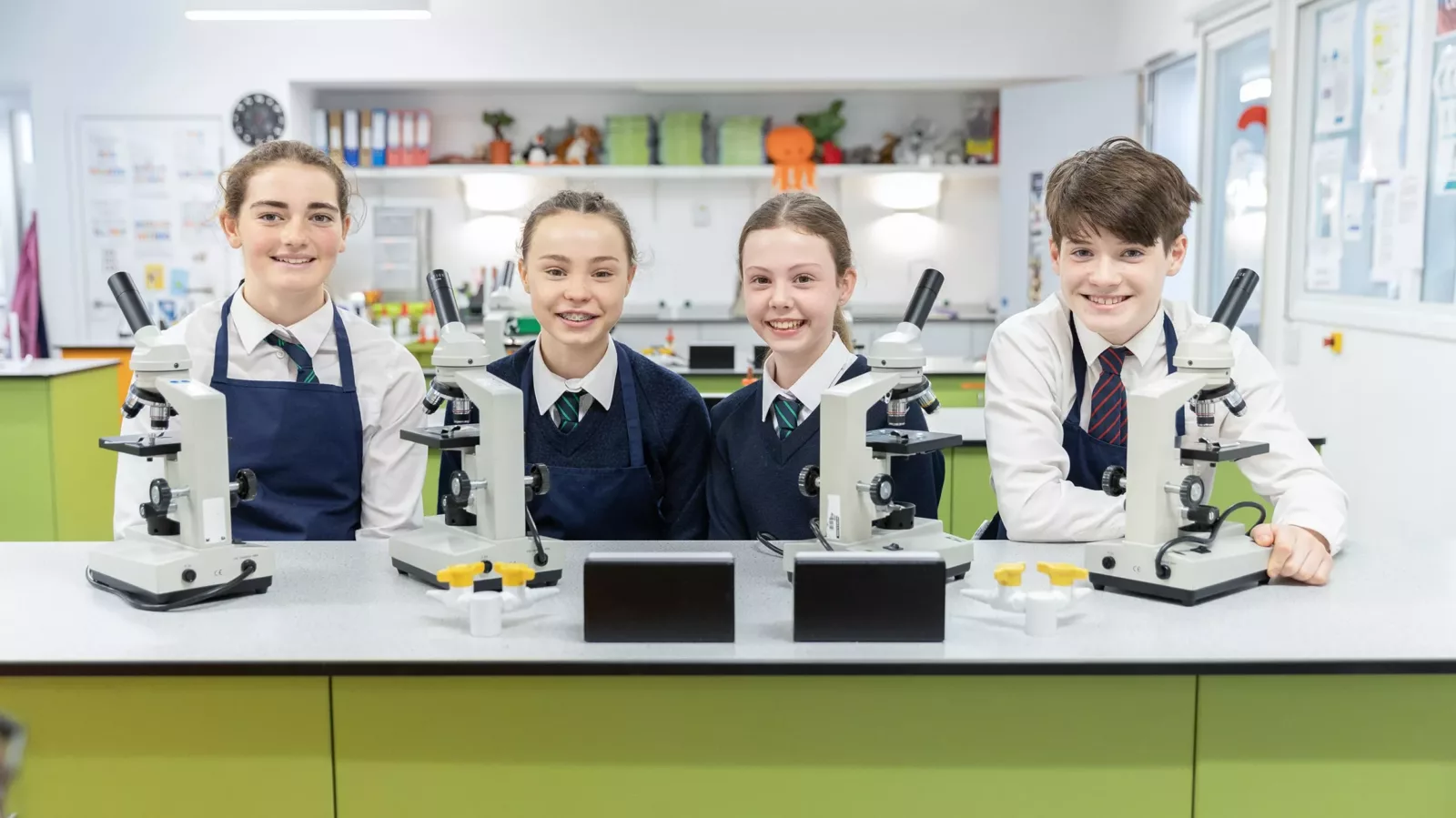
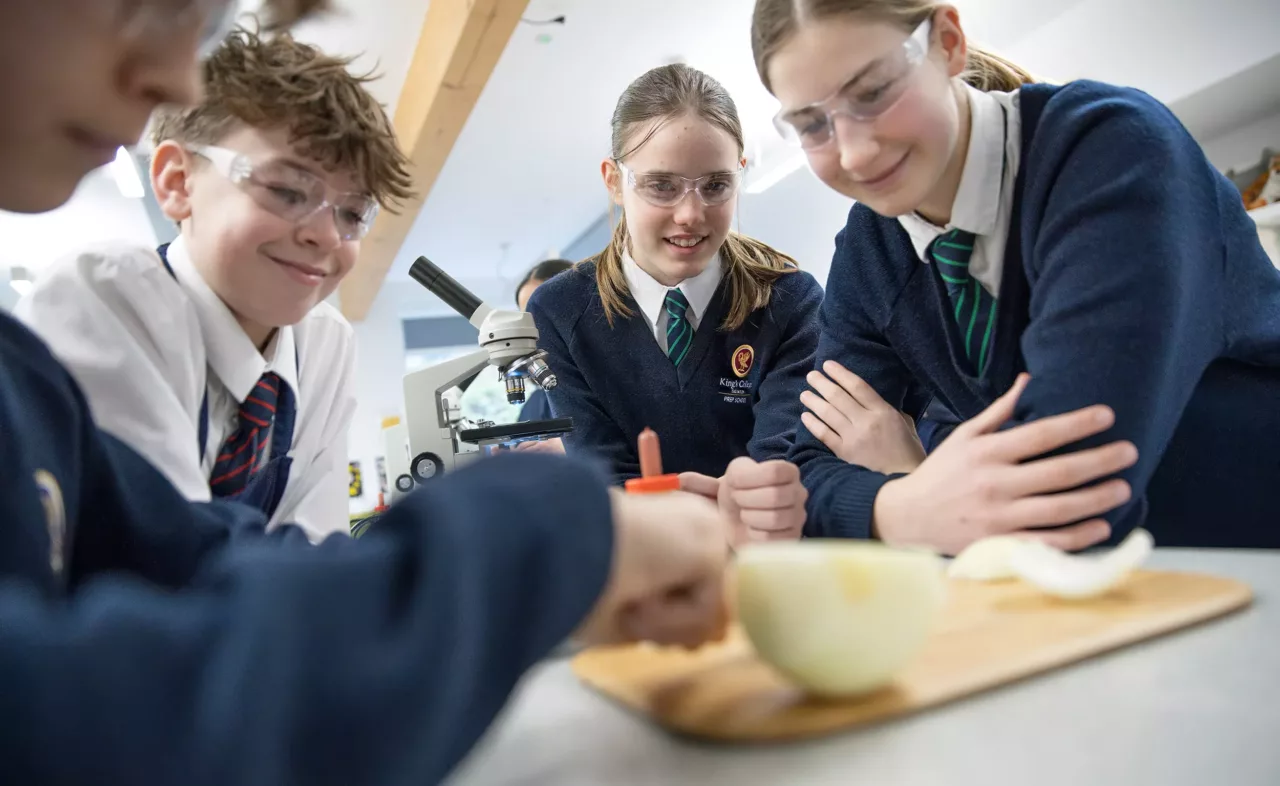
We have state-of-the-art facilities, which inspire pupils: specialist microscopes, data loggers, exciting chemistry equipment, and circuit boards, among other tools. Our fully stocked chemical cupboard enables pupils to carry out chemistry experiments typically reserved for secondary school.
The curriculum is broad and enjoyable, catering to pupils of all abilities. Science gives pupils the opportunity to understand how and why the world works through enquiry and logic.
- Plymouth Aquarium
- KCT science workshops
- Longleat Safari Park
- Paignton Zoo
- Joint trip with Geography to a quarry and Lulworth Cove
We’ve spoken to an astronaut from Virgin Galactic via Teams, and hosted visits from a dentist and doctor. The Space Dome experience during STEM week and a Birds of Prey experience have also been highlights. Science hobbies such as Nature Journal Club, Pet Care (guinea pigs, tortoises, and tropical fish), Nature Craft, and Newt Scientist (fun experiments) are available.
Problem-solving, resilience, communication, asking “why?”, investigative skills, responsibility (caring for pets), teamwork, working with others, sharing, perseverance, time management, planning, basing thoughts on evidence, confidence, safety and hygiene, contributing to discussion, organisation, enquiry, and logic.