Design Technology
OVERVIEW
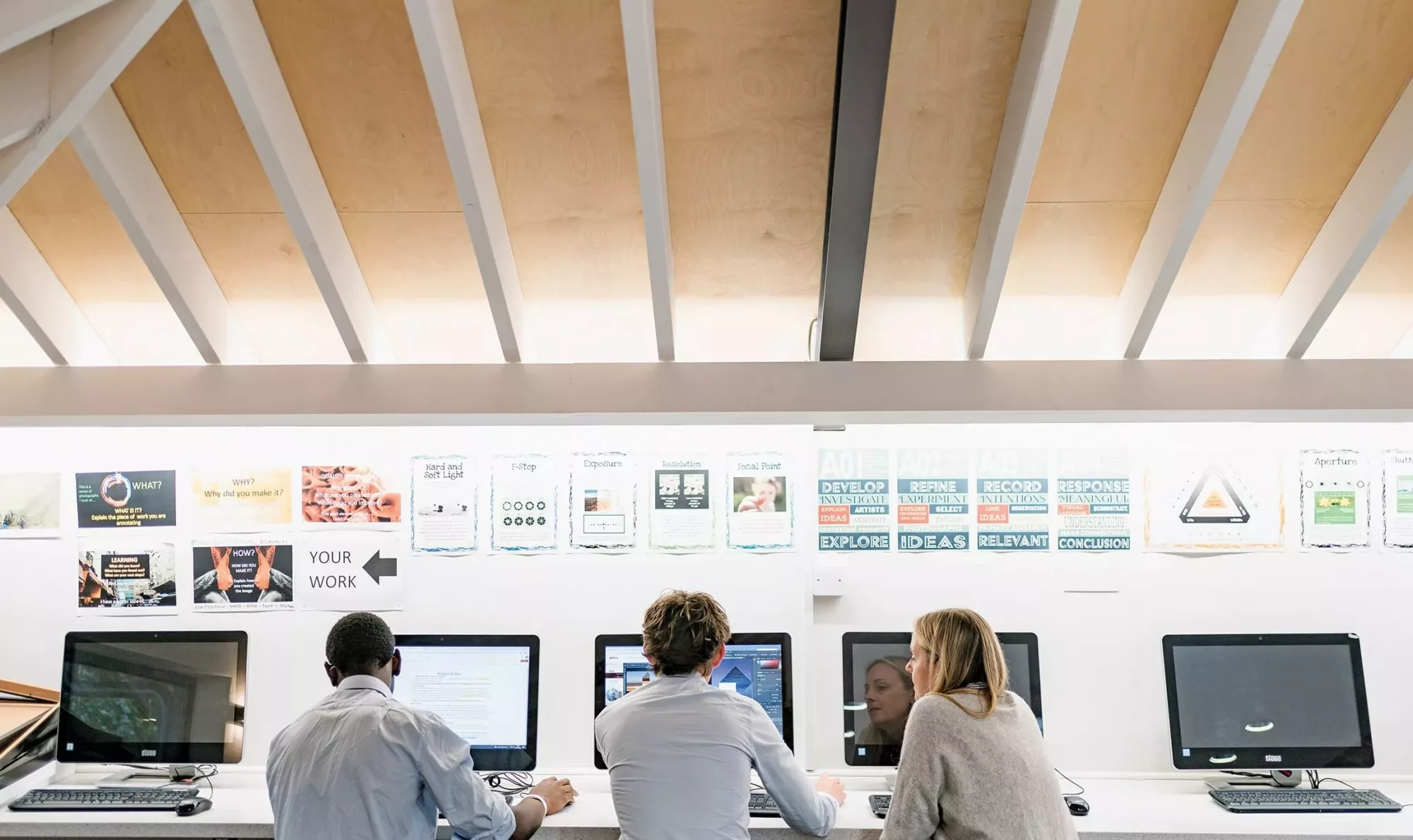
Design & Technology fosters an enjoyable environment where students develop knowledge, understanding, and practical skills. The subject offers stimulating contexts that encourage creativity, both individually and as part of a team. Collaborative problem-solving is essential not only in Design & Technology but also in industry, business, and commerce.
OUR SYLLABUS
The major NEA project constitutes 50% of the final A-level grade and comprises a design portfolio alongside a fully functional prototype. Students also sit two written papers at the end of Year 13, assessing theoretical knowledge in areas such as materials and their applications, digital design and manufacture, and the impact of technological and cultural change.
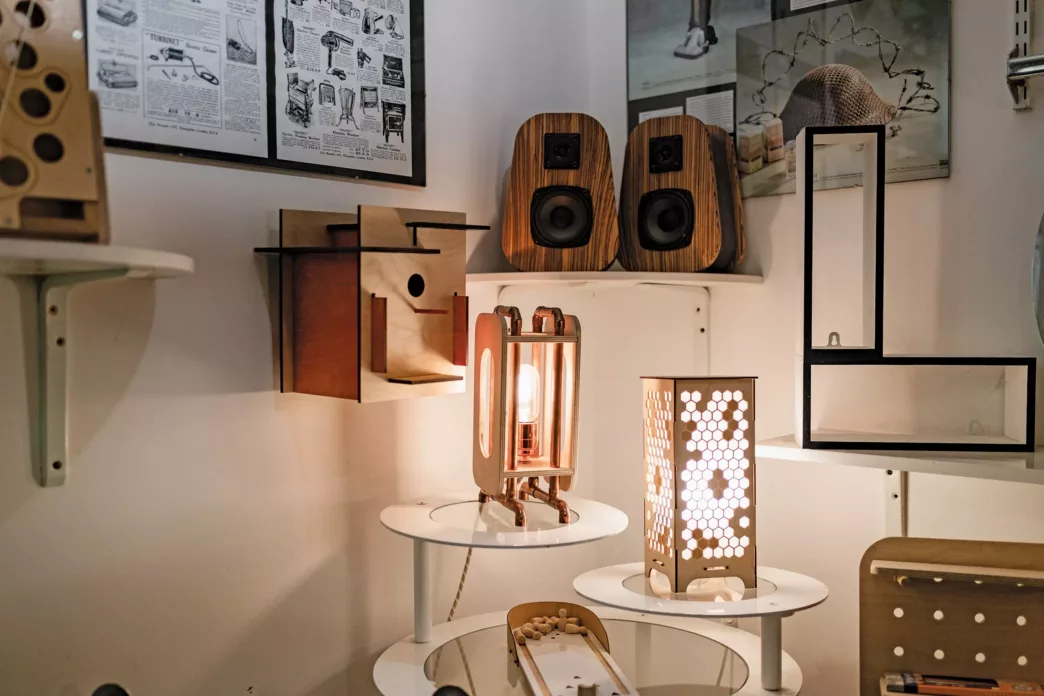
Students are encouraged to select their own major project theme, giving them the freedom to research, design, and build a product of their choice. Teachers actively support students in choosing projects linked to personal interests or future careers in fields such as architecture, engineering, or product design. A strong portfolio can serve as an excellent discussion point during university interviews.
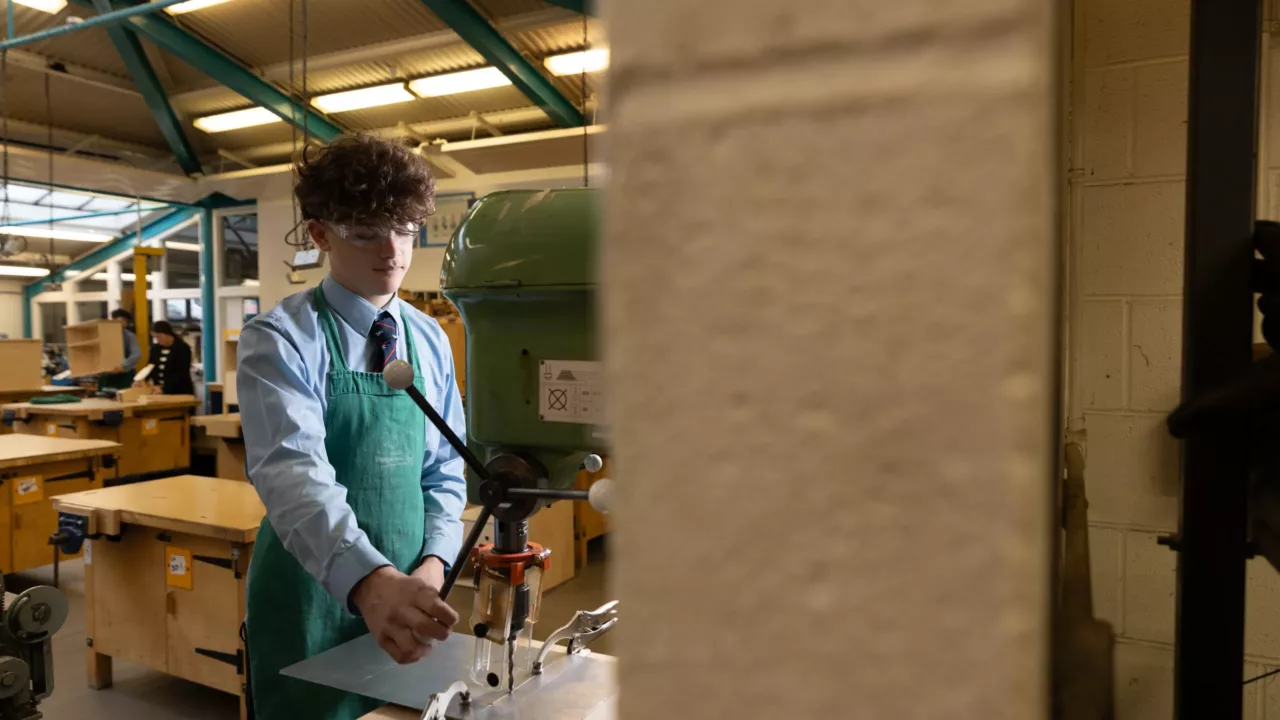
The department operates an ‘open-door policy,’ allowing students to use its extensive facilities during free study periods. A unique aspect of Design & Technology is that students learn by doing—engaging in hands-on, action-based learning. This approach provides a powerful and immersive educational experience.
The coursework-heavy nature of the subject provides hands-on experience closely aligned with real-world applications. It is an excellent way to build confidence and contextualise theoretical learning.
WHY STUDY DESIGN & TECHNOLOGY?
Design & Technology is widely recognised as an entrance qualification for universities and encompasses a broad spectrum of disciplines. It is an ideal foundation for careers in engineering, architecture, product and industrial design, and many other creative industries.
The design process is central to project work, inherently developing students’ skills in mathematics, English, and science by reinforcing their understanding of these core subjects within a practical context. Sustainability and environmental responsibility are key considerations in Design & Technology.
As the world faces increasing environmental challenges, the next generation of engineers, scientists, and technologists will be at the forefront of finding solutions.
Students regularly participate in community projects and enter competitions run by professional societies. Recently, students collaborated with the Art department on a co-curricular competition organised by RIBA in Exeter.
The department has also had more than 20 winners of the prestigious Arkwright Engineering Scholarship over the last 20 years. This is one of the most esteemed scholarship of its type in the UK, designed to inspire students to pursue their dreams and change the world as an outstanding engineer of the future. Pupils are awarded a scholarship only after a rigorous selection process.
Scholarships are sponsored by a commercial company, trade association, university, professional institution, armed service, government organisation, worshipful company, charitable trust or personal donor. This means that support is offered in various different ways, for example, valuable hands-on work experience, support for their curriculum project and a personal mentor who can help them with aspects of their studies and career planning.
Success in Design & Technology requires students to experiment with ideas, take a proactive approach, learn from mistakes, stay informed about current design and technological issues, and demonstrate strong organisational and time management skills.
Careers pursued by past students include architecture, product design, automotive engineering, Formula One engineering, interior design, graphic design, and industrial design.