Biology
OVERVIEW
Biology explores fundamental questions about life: from genetic inheritance and DNA to medical advancements, the function of the heart, and even why urine varies in colour. Studying A-level Biology provides answers to these questions and many more.
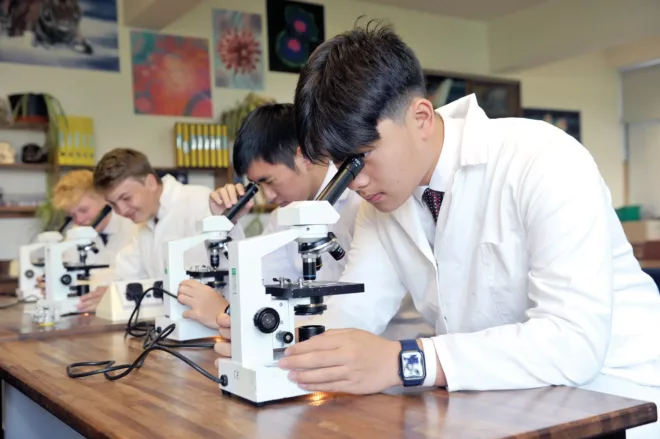
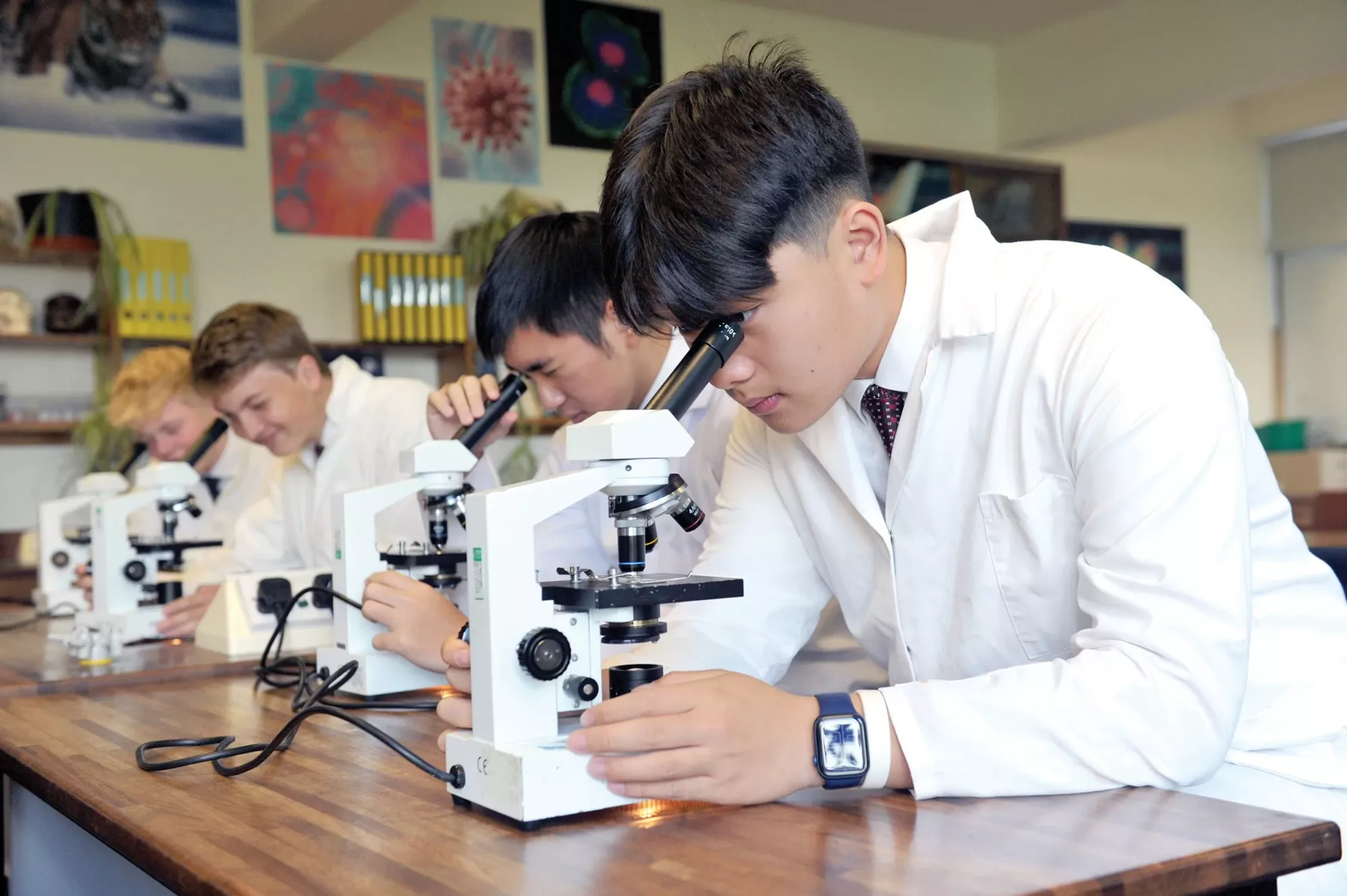
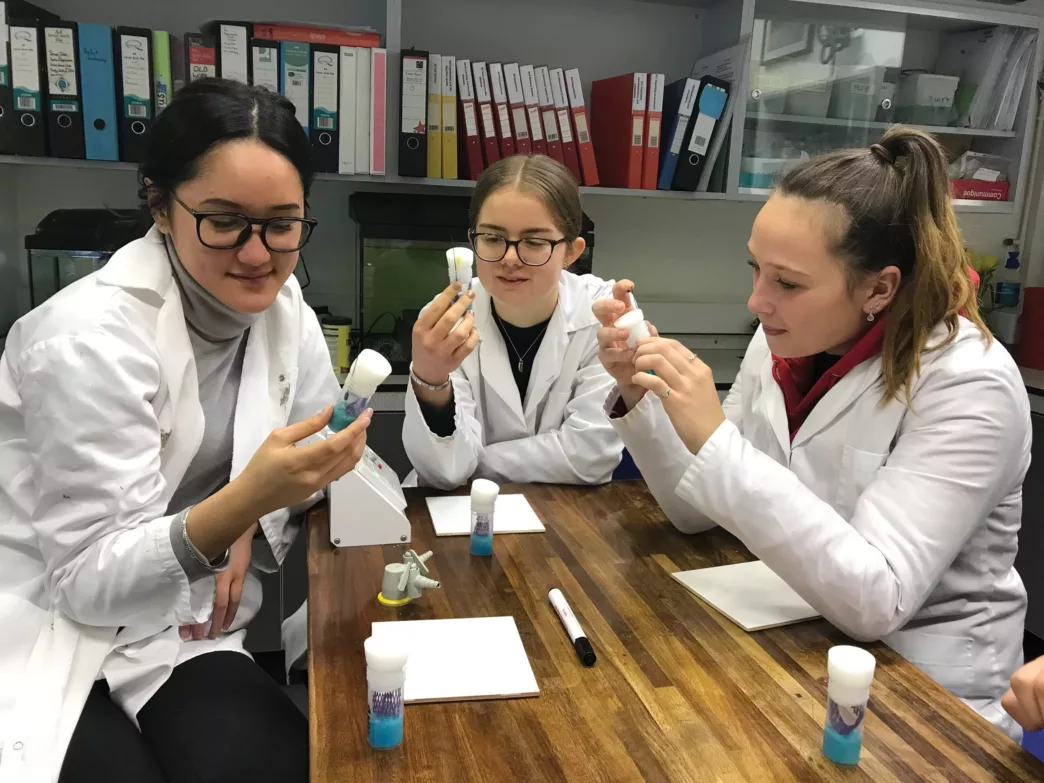
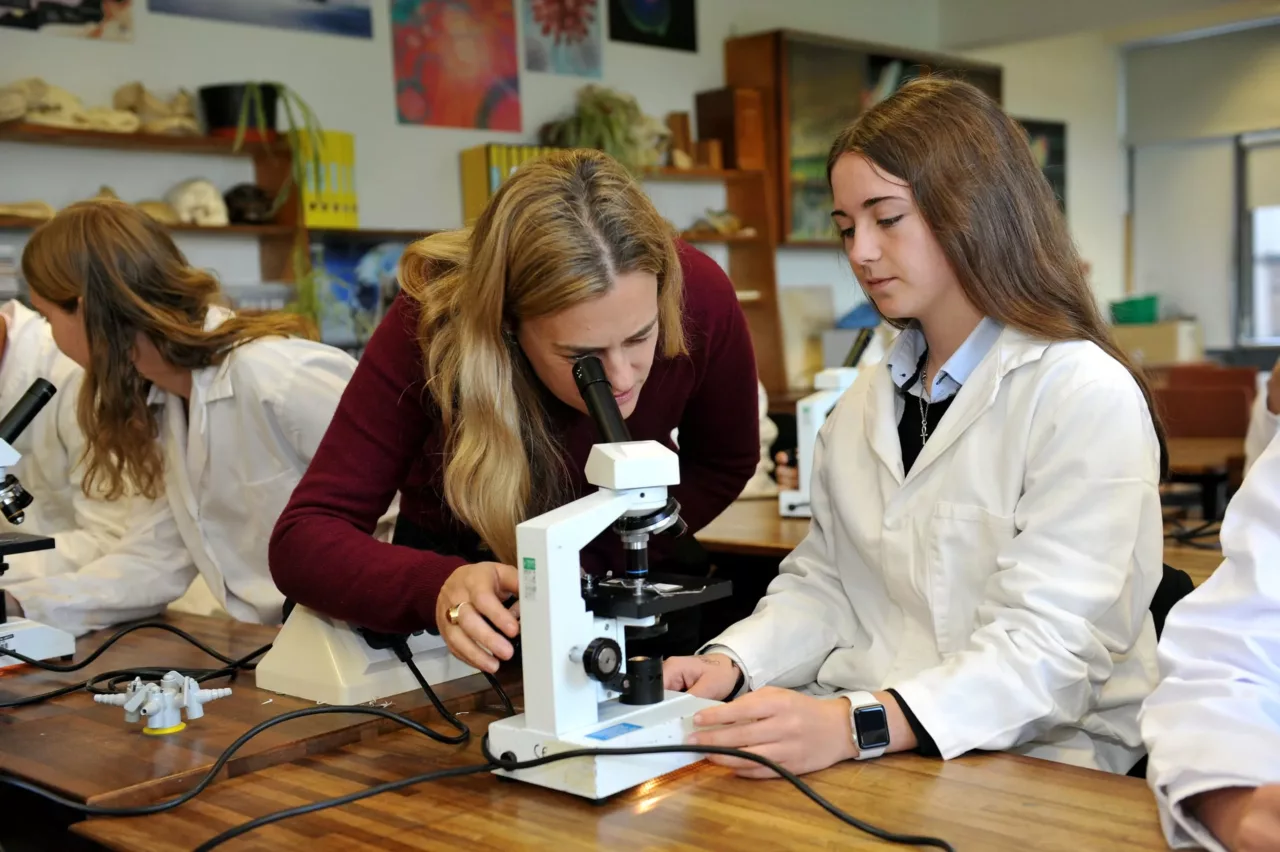
The course offers a fascinating insight into contemporary biology, combining key theoretical concepts with practical skills. This blend of academic rigour and hands-on experience makes A-level Biology an exciting and rewarding subject. The department consists of enthusiastic and dedicated specialists who are passionate about both laboratory and field-based studies, supported by an experienced technician.
OUR SYLLABUS
The course follows the OCR linear Biology programme. Practical skills are integrated into the course and assessed through written exams rather than standalone practical tests. This approach allows for numerous practical lessons that refine students’ scientific skills and understanding.
The specification covers six key modules:
- Development of practical skills
- Exchange and transport
- Communications, homeostasis and energy
- Foundations in biology
- Biodiversity, evolution and disease
- Genetics, evolution and ecosystems
WHY STUDY BIOLOGY?
Biology is constantly in the news, whether in relation to genetic research, climate change, renewable energy, conservation, epigenetics, or medical advancements. Future biologists will play a crucial role in shaping these fields.
Lower Sixth Biology pupils participate in an annual field trip to the Isles of Scilly to support their fieldwork studies. This is a fabulous four-day trip, during which pupils collect a vast range of biological data and have plenty of fun and experiences.
The Howard Biology Society enhances the GCSE and A-level curriculum, offering students the chance to engage in debates, observe surgeries, explore microorganisms, give presentations, and conduct dissections of specimens such as giant frogs, rats, squid, and earthworms. The society broadens students’ horizons, contextualises their studies, and supports career aspirations in biology-related fields
The Medics, Vets, and Dentists support group helps students organise work experience, expand their understanding of professional careers, and prepare for UCAT assessments and university interviews. This group gives bespoke, focused support to all those pupils dedicated to a career in medicine, dentistry and veterinary science.
Students develop skills in research methodology, analysis, problem-solving, comprehension, data manipulation, applied mathematics, evaluation, presentation, and critical thinking.
Many graduates pursue careers in medicine, veterinary medicine, dentistry, conservation, ecology, psychology, palaeontology, nursing, genetic counselling, marine biology, forensic science, journalism, zoology, natural sciences, physiotherapy, and pharmacology.