Music
OVERVIEW
Students can choose between A-level Music and A-level Music Technology, both offering a comprehensive musical education that caters to a variety of interests and talents.
- A-level Music comprises three components: Performing, Composing, and Appraising.
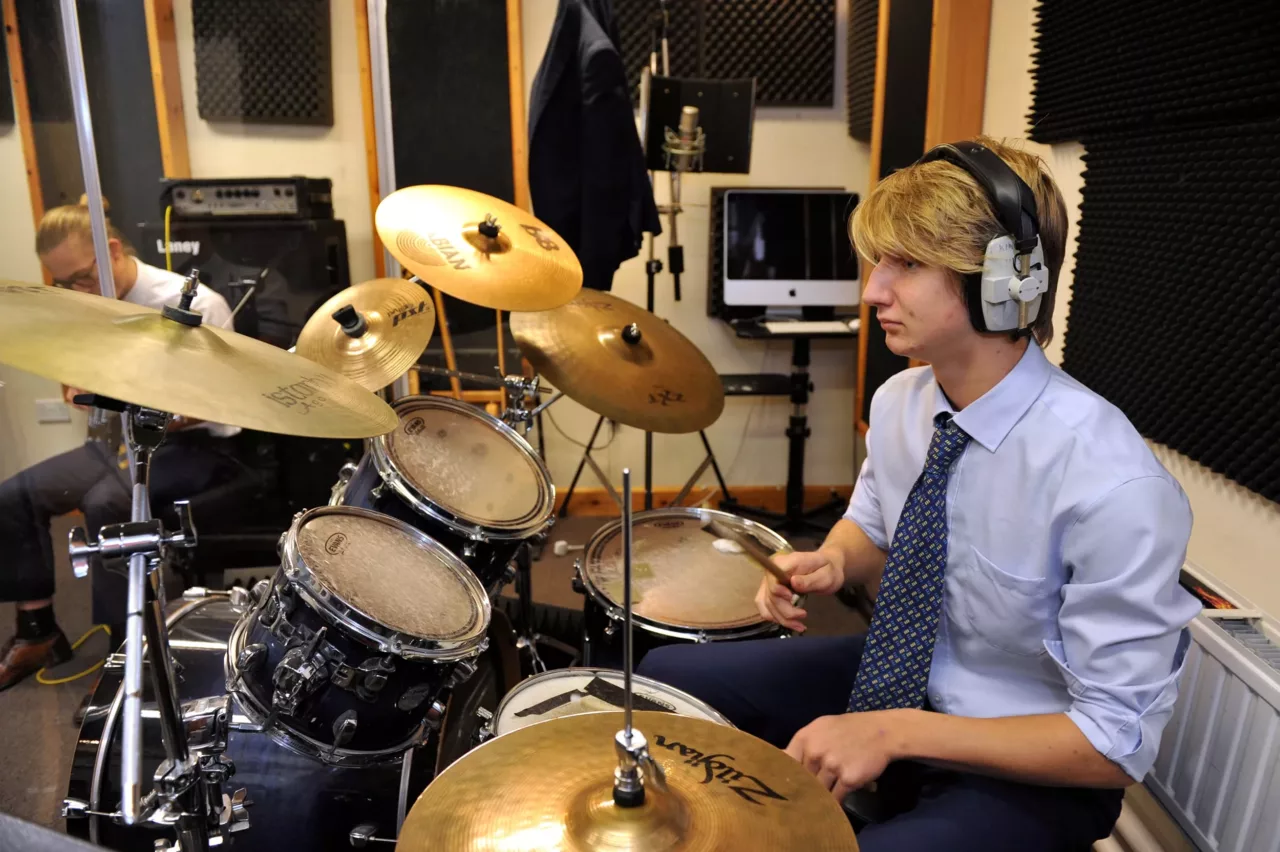
- A-level Music Technology covers four areas: Recording, Technology-Based Composition, Listening & Analysing, and Producing & Analysing.

The three different disciplines studied at A-level are performance, composition and appraising.
These provide an all-round musical education that appeals to all types of musicians. The set pieces for study give a breadth of musical understanding and open up new genres and ideas. The chance to gain a deeper understanding of how context, background and stylistic qualities interact with musical features prepares all pupils for wider study at university level.
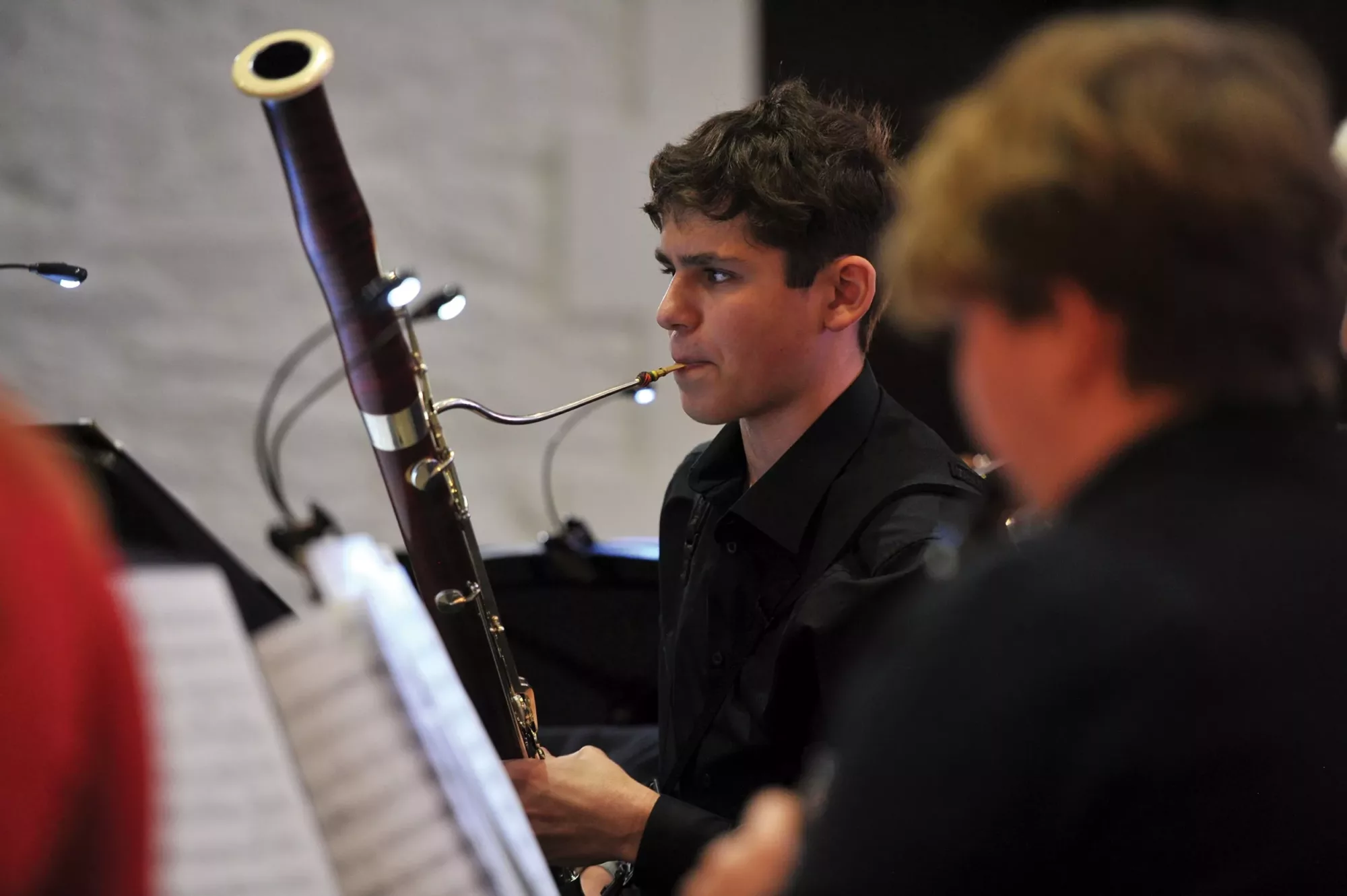
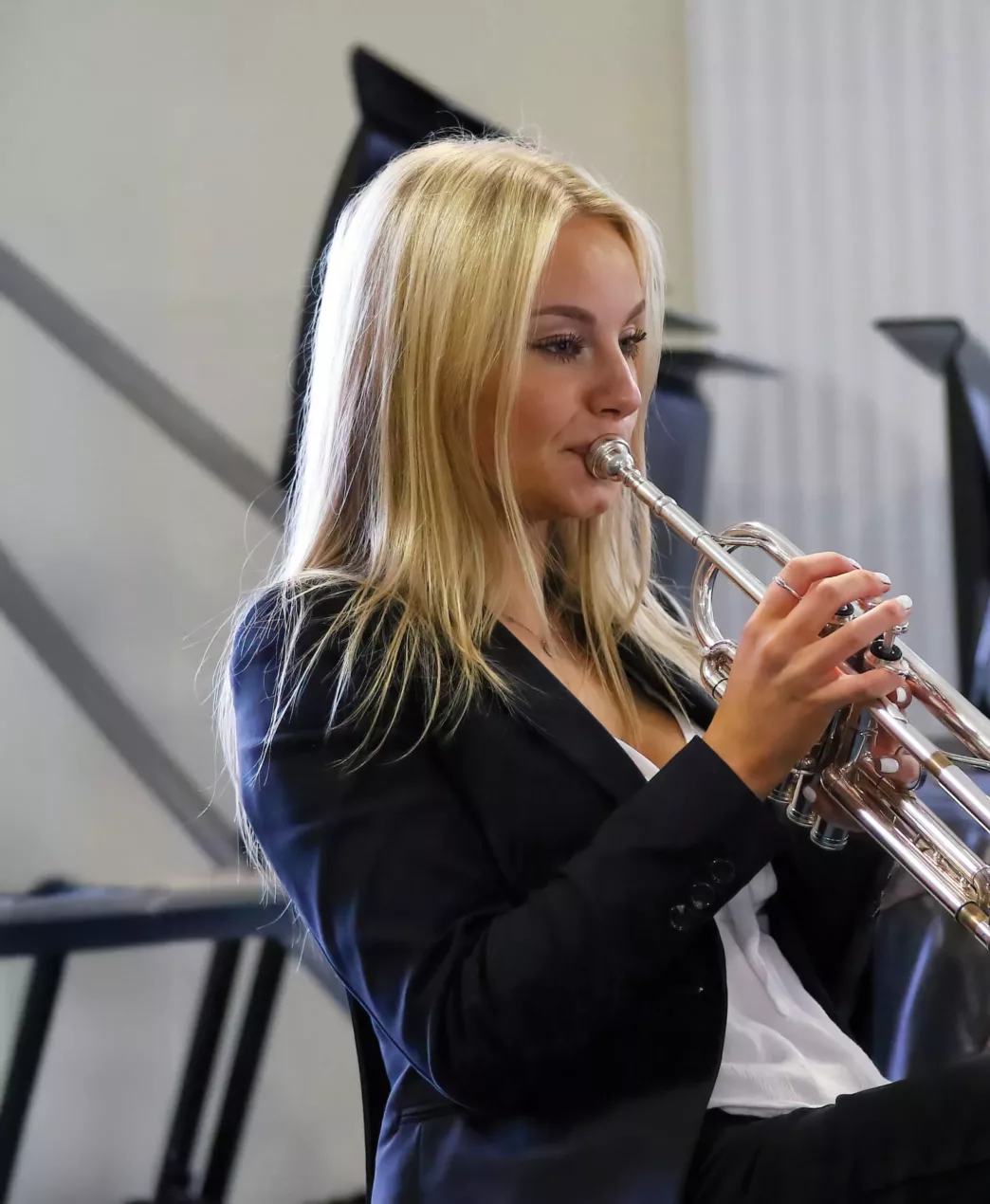
Small classes at King’s mean that pupils are able to explore their individual tastes alongside the syllabus and teachers really get to know each pupil on a musical level. All pupils have the chance to join a variety of ensembles and there are many performing opportunities from the larger scale orchestral and choral works to more intimate chamber music and solo performances. There are also opportunities to try new musical skills. Conducting and arranging are popular, and some pupils discover a new talent for a different instrument.

Pupils who choose to go on to study music after Sixth Form have the option to specialise as a performer or study a more academic music course. The skills required and developed as a musician are highly sought after by most employers. Many music graduates go on to have successful careers both in and out of the music world, finding that the self-discipline, confidence and analytical skills developed through musical study stand them in good stead for the future.
OUR SYLLABUS
A-level Music (Eduqas)
- Performing: Option A – 10-12 minute recital | Option B – 6-8 minute recital
- Composing: Option A – Two compositions (4-6 mins) | Option B – Three compositions (8-10 mins)
- Appraising: Compulsory study of The Western Classical Tradition, plus two additional focus areas from five options.
A-level Music Technology (Edexcel)
- Recording: 3-3.5 minute recording of a song from an exam board list
- Technology-Based Composition: 3-minute composition based on exam board briefs
- Listening & Analysing: Exam covering the impact and evolution of music technology
- Producing & Analysing: Practical exam using MIDI to produce a final mix
This course is ideal for those interested in recording, sequencing, composing, and exploring the role of technology in popular music.
WHY STUDY MUSIC?
It provides an all-round musical education that appeals to all types of musicians. The set pieces for study give a breadth of musical understanding and open up new genres and ideas. The chance to gain a deeper understanding of how context, background and stylistic qualities interact with musical features prepares all pupils for wider study at university level. The skills required and developed as a musician are highly sought after by most employers. Many music graduates go on to have successful careers both in and out of the music world, finding that the self-discipline, confidence and analytical skills developed through musical study stand them in good stead for the future.
Pupils studying music have the opportunity to experience many different genres in a variety of venues across the South West. In recent years our musicians have enjoyed diverse experiences from the Bournemouth Symphony Orchestra in Exeter to Wicked at Bristol Hippodrome.
Musical co-curricular activities and performance opportunities are vast: informal concerts, big ensemble concerts, choir services, musical theatre performances, carols at the races, King’s Young Musician competitions, leavers’ concerts, scholars’ concerts and chamber concerts – all alongside whole school events like the House Song Competition.
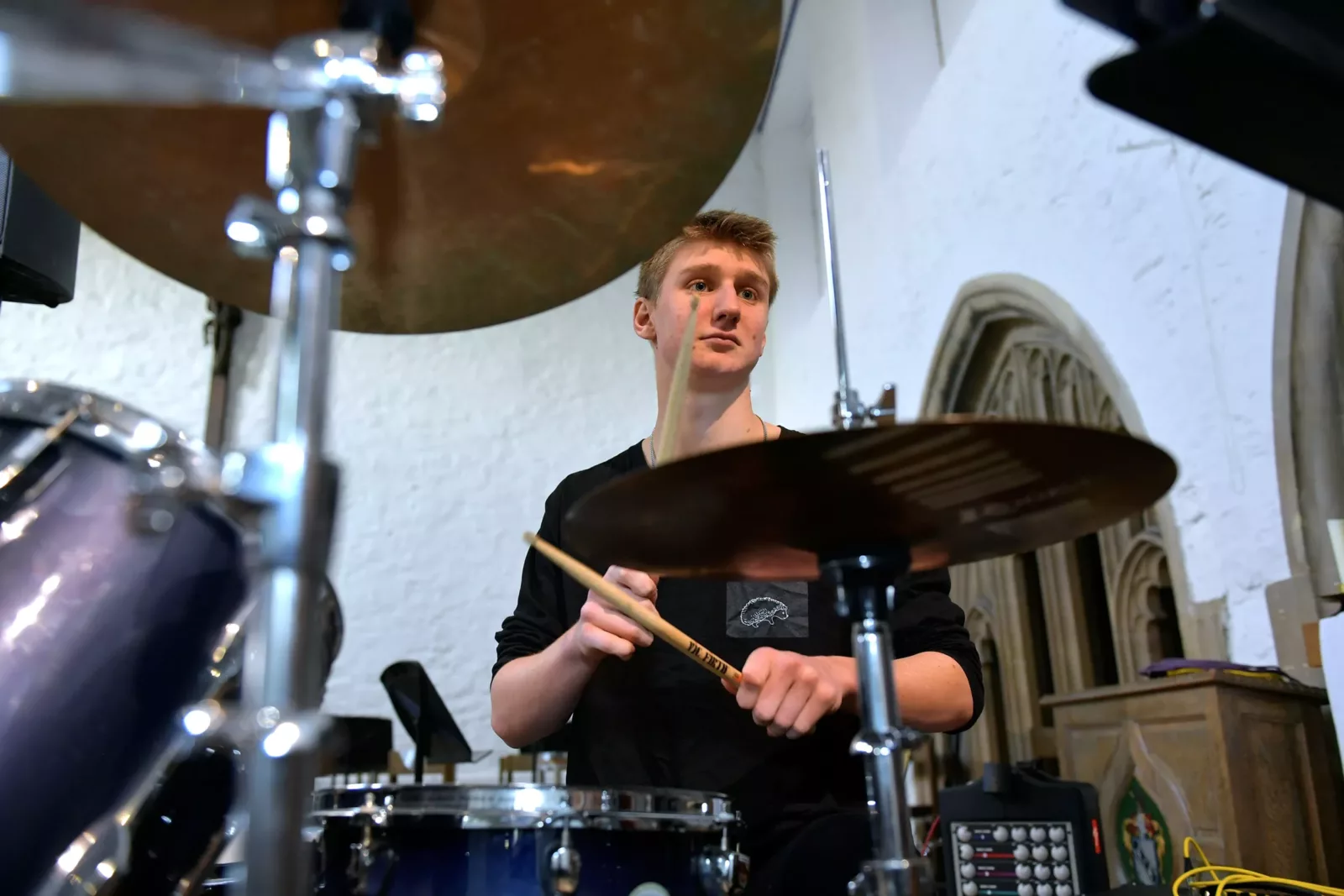
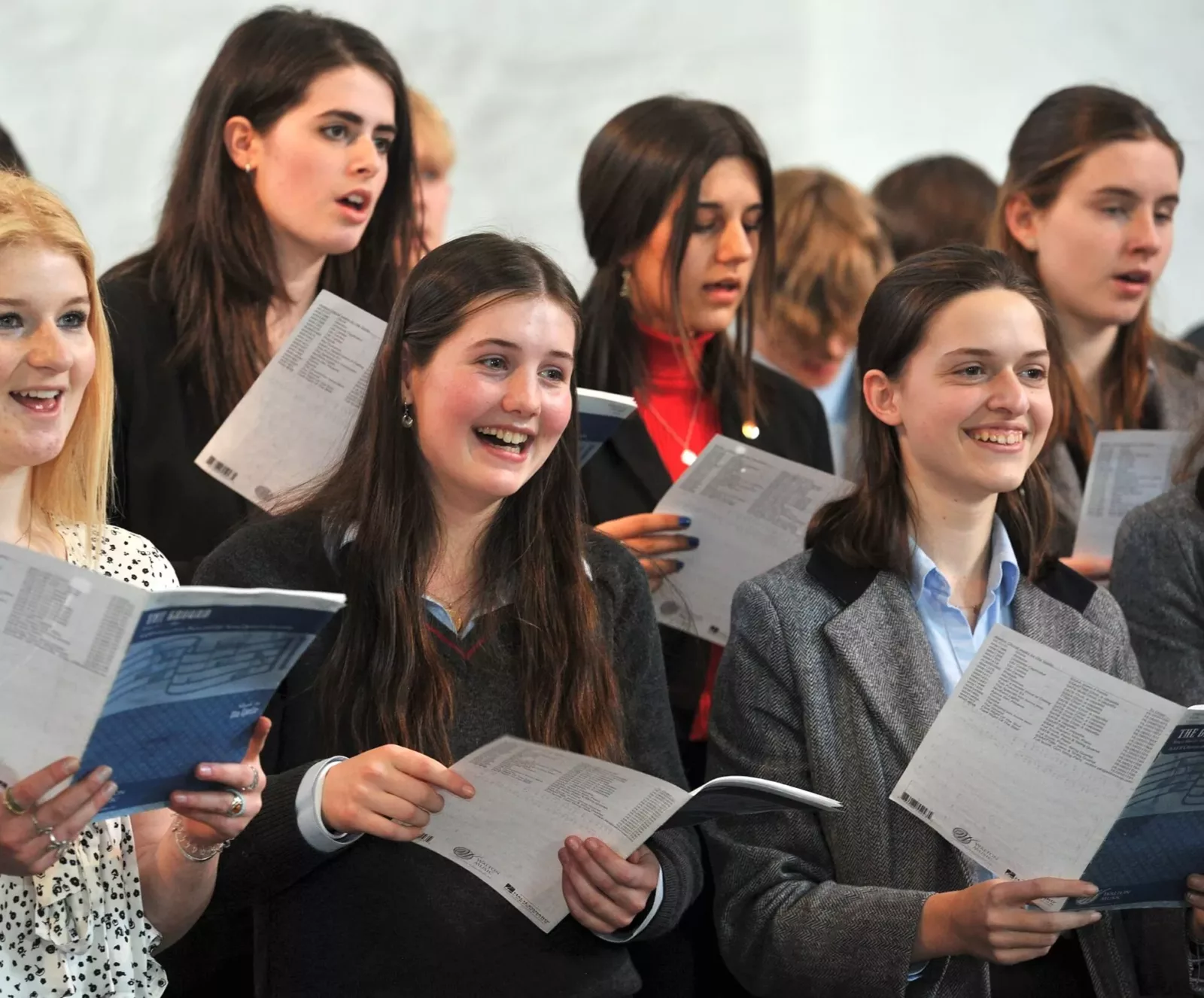
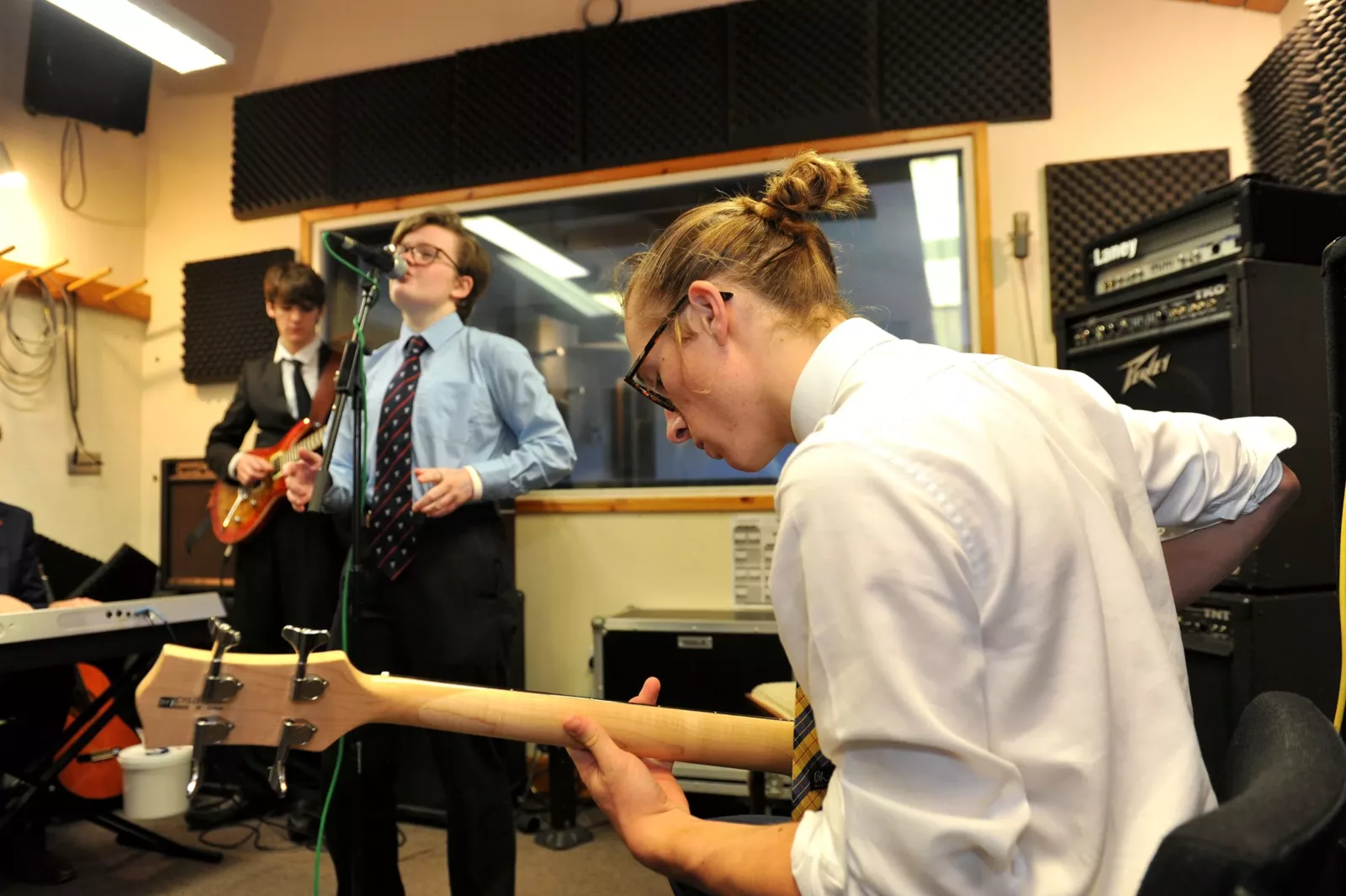
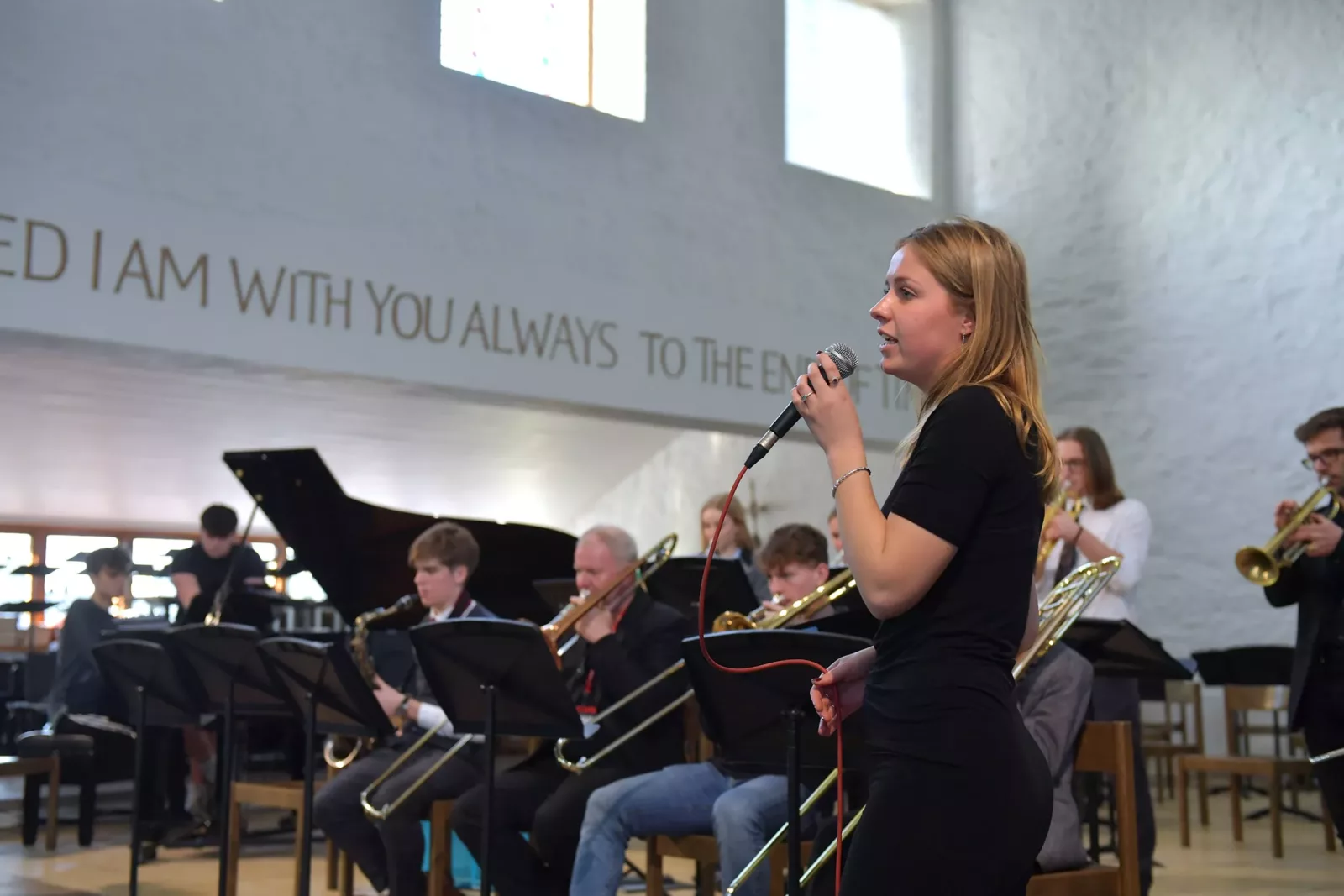
We also run weekly sessions for: wind band, orchestra, two piano trios, two Roc Soc groups, Ukelele band, Brass group, String group, Chapel choir, chamber choir, Big Band, Jazz ensemble, guitar group and DJ group.
Pupils have also had the chance to perform abroad, with the Big Band touring Barbados and the Chapel Choir recently singing in a number of venues in and around Barcelona.
Music nurtures independence, self-discipline, and resilience, preparing students for both Higher Education and professional careers.
Many students progress to further musical studies, including:
- Choir scholarships at Oxford and Cambridge
- Performance degrees at conservatoires
Notable graduates include Elliot Marchent, Matt Osbourne, Louis Benneyworth, Peter Oakley, Alex Wynn, and Liam Atherton.